When Spotify Wrapped dropped this year, it captured the attention of the internet over one new feature: Listening Age. Twenty-somethings discovered their music taste to be that of a septuagenarian, while some older adults were deemed musically seventeen. The feature sparked conversation, confusion, and connection, all at once. People were comparing their results, defending their tastes, and laughing at the sometimes wildly inaccurate ages Spotify assigned them based on the music eras they streamed most. (As an iTunes user, I was not assigned a Listening Age, but I can tell you that our household is completely taken over by the KPop Demon Hunters soundtrack.)
What made Listening Age so compelling wasn’t its accuracy; it was how it turned data into a conversation starter. It gave us a new lens to see ourselves and each other, revealing that a 25-year-old jamming to 1970s classics and a 50-year-old streaming today’s hits might have more in common than they might think. As our colleague, Christine Baitsell, and our friends at CoGenerate often remind us: The music we love connects us across generations.
Our team’s Slack channels work kind of like that. We’re constantly sharing what we are listening to, reading, watching, and experiencing in the hope of seeing the world through each other’s eyes. Out of all the things we shared on Slack this year, here are the 21 items that we want to share with you. Like Spotify’s Listening Age, this list might reveal something surprising about who we are and what shapes our work. We hope these bring you joy, inspire you, and help you think differently about what it takes to nurture relationships with people who are like us and those with differing views.
Jenn's List
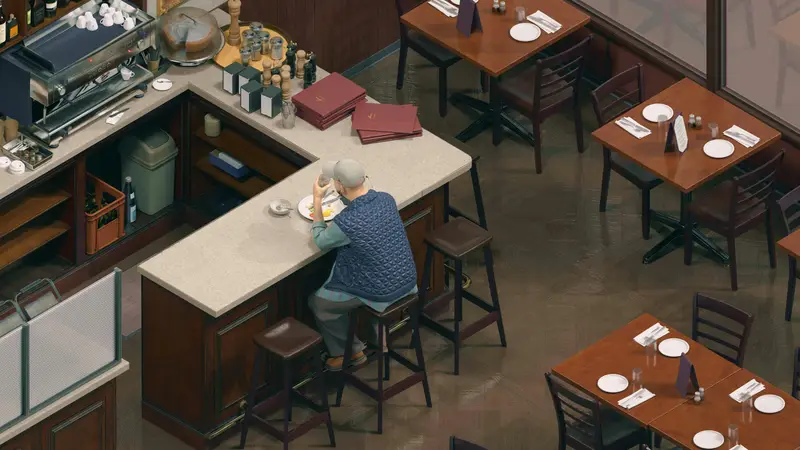
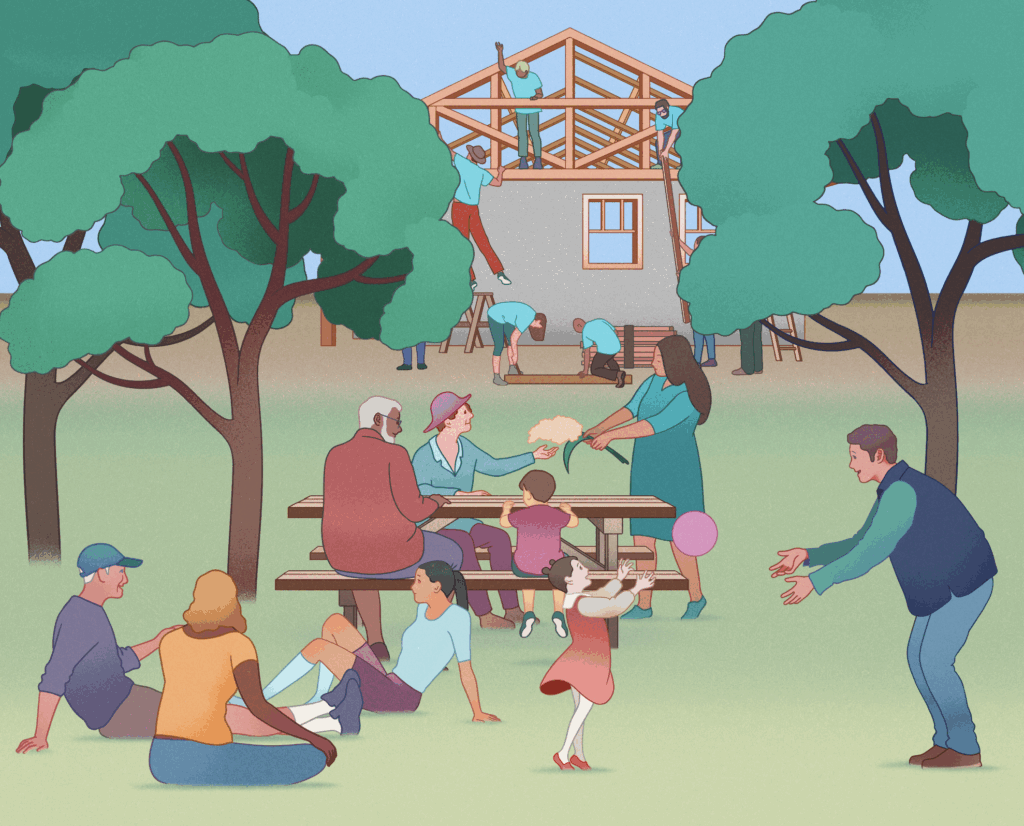
Ever since this piece was published in early 2025, I’ve been thinking about how our work can reach the “middle ring” of relationships (described as those that are familiar but not intimate), especially because these interactions greatly impact our feelings of connectedness and cohesion where we live. I cannot stop thinking about the visual of restaurants with their tables filled with take-out orders instead of diners sharing a conversation and a meal. This article has greatly informed the work we are doing to build social trust, recognizing the need to be place-based, hyperlocal, and community-bound.

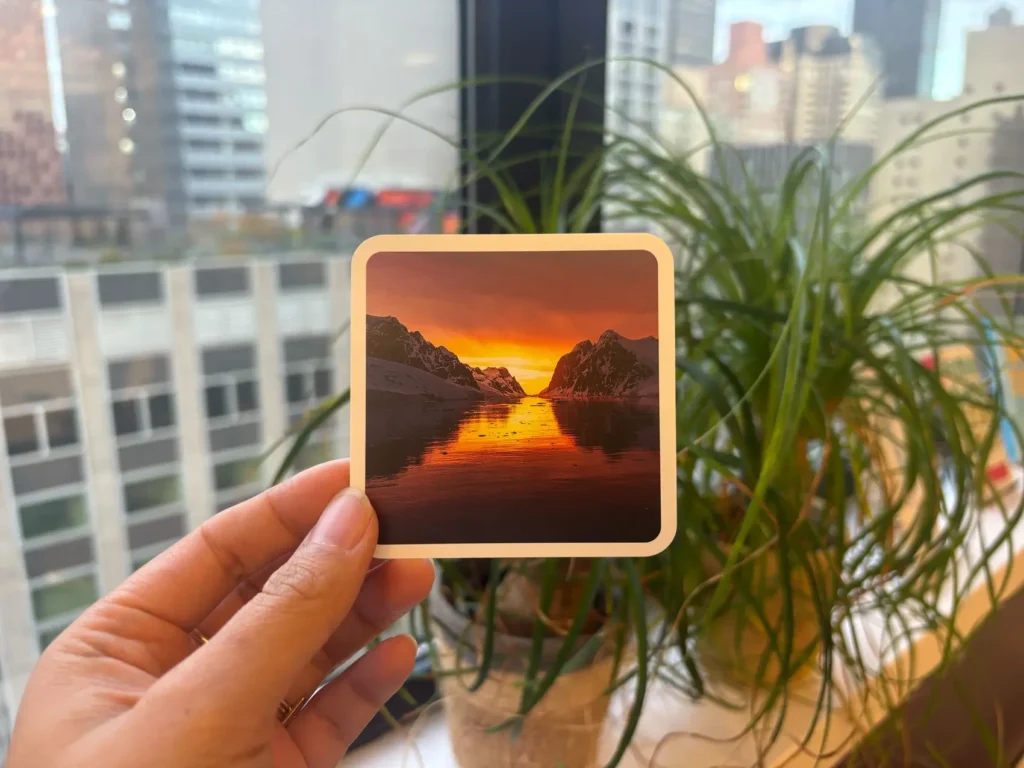
An excerpt from this essay continues to stay with me: “This is what keeps me going during this terrible time for our country, for our world, and for our planet. Each morning on the farm, I sit on the porch and listen to the birds. Each evening, I sit on the porch and watch the fireflies. On clear nights, I gaze into the blackness until my eyes adjust and the Milky Way appears. Thus restored, I am ready to face whatever man-made (or AI-made) calamity the next news cycle brings.” It reminds me of the power of awe. When things feel hard at a macro level, we always have the opportunity to pause and take a moment to appreciate the hyper-micro surrounding us in nature.
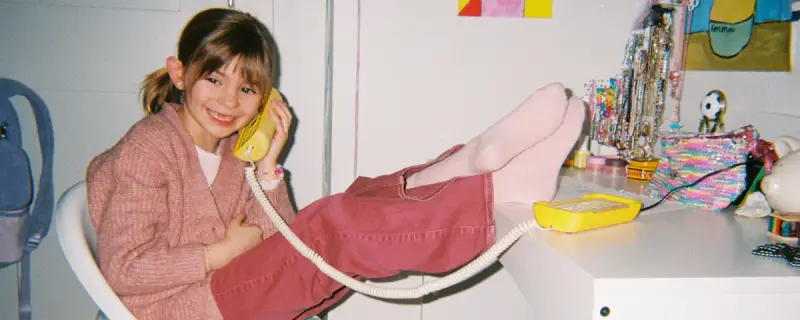
If you ask my parents about my social life in middle and high school, they will likely say: Jenn was always on the phone. It’s true. Before the internet and cell phones, the landline was the social connection tool of my generation. And boy, was I socially connected! I knew all the *89-like codes to break through busy lines, and I was masterful at three-way calling. For my Bat Mitzvah, when I turned 13, my parents got me my own phone line, which was also a gift to themselves to keep me off our main house line. And amazingly, it was 389-JENN. With my son’s Bar Mitzvah coming up this spring, I’m entertaining bringing back the old school tech and love this reinvention!
Barbara's List
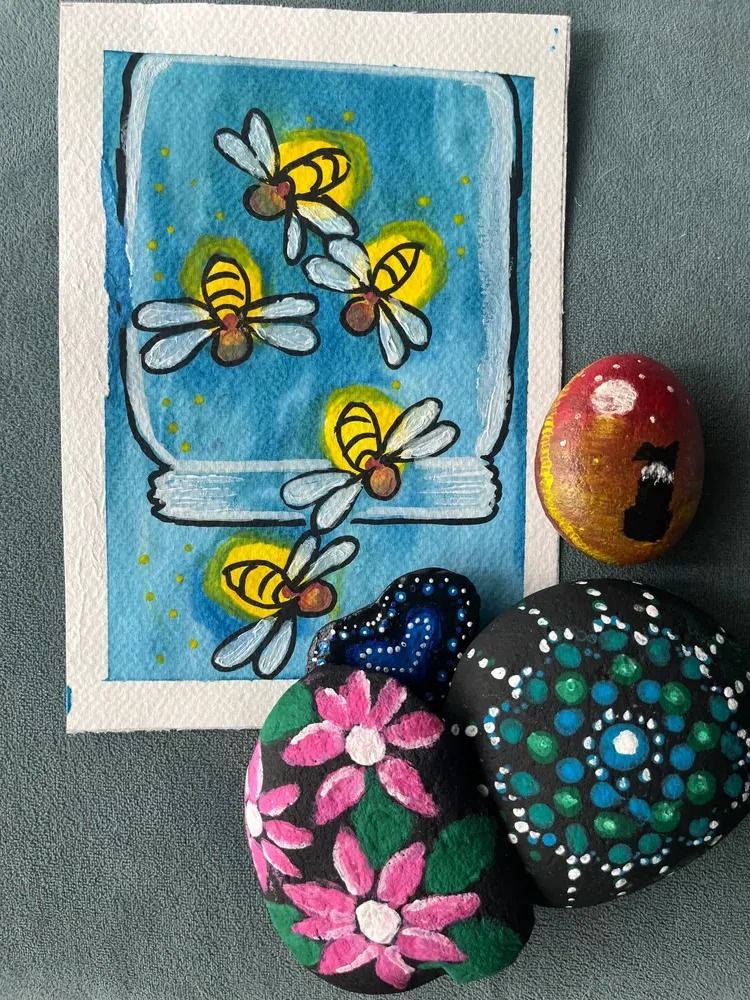
A Longtime Friendship
I had the joy of welcoming a dear friend of almost 40 years for an extended stay at my home. We’ve kept in touch from afar, sometimes 10,000 miles apart, and whenever we connect, the years and the miles melt away. In “Friendships that Last,” author Annika Rose wrote a line that resonated with me: “Your forever friends are the people who have watched your story unfold across decades, who remember your dreams before they became plans, who loved you through the versions of yourself you’ve outgrown.”
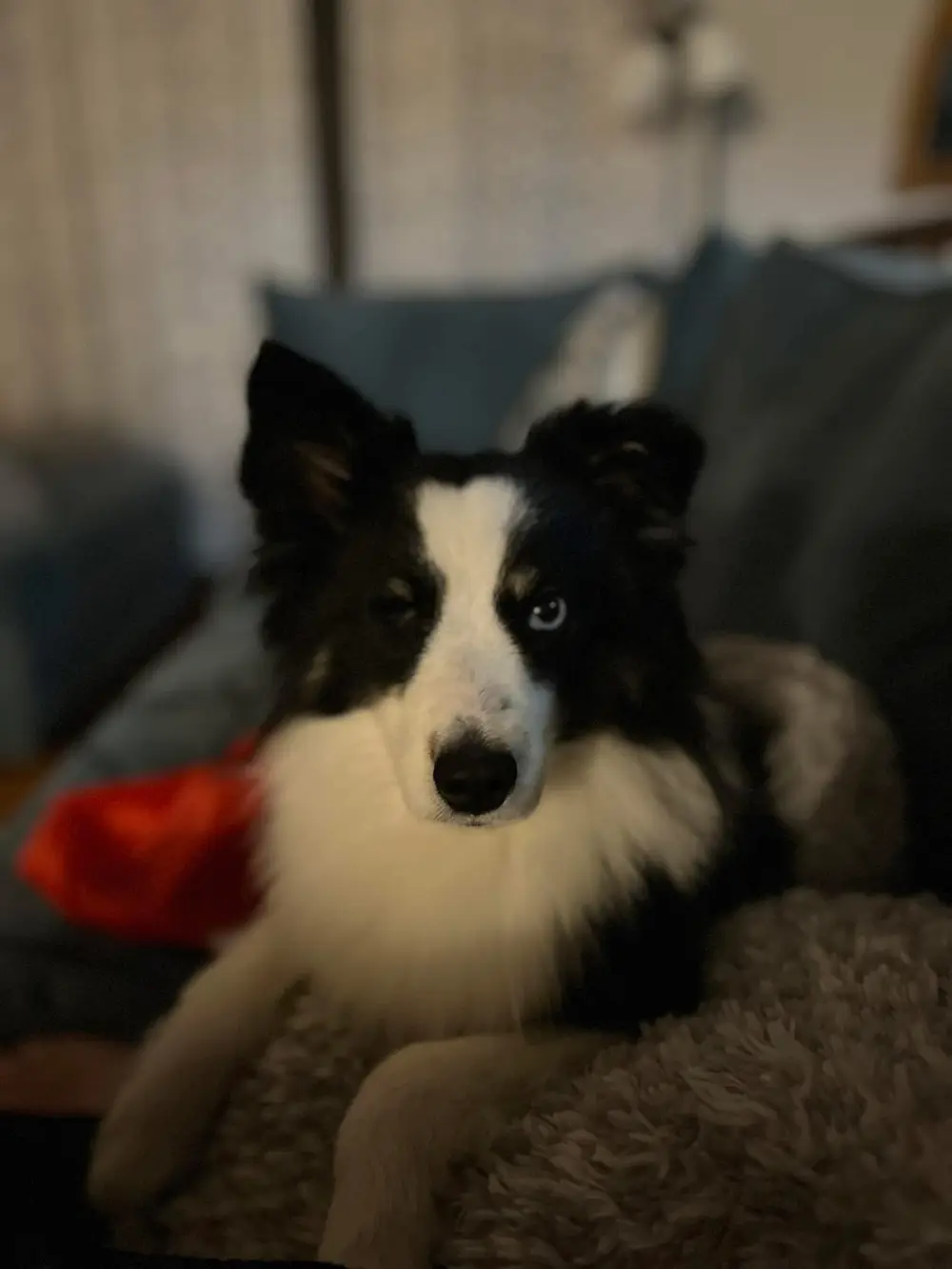
My dog, Milo
Yes, my dog inspires me. He is a bundle of love that greets me with wiggles, squeals, and circle dances. He joined our family almost 2 years ago on a trip to visit my family in Wisconsin over the holidays. What a gift! Dogs are great empaths, anxiety busters, and cooperation boosters, and I can attest that these are all true.
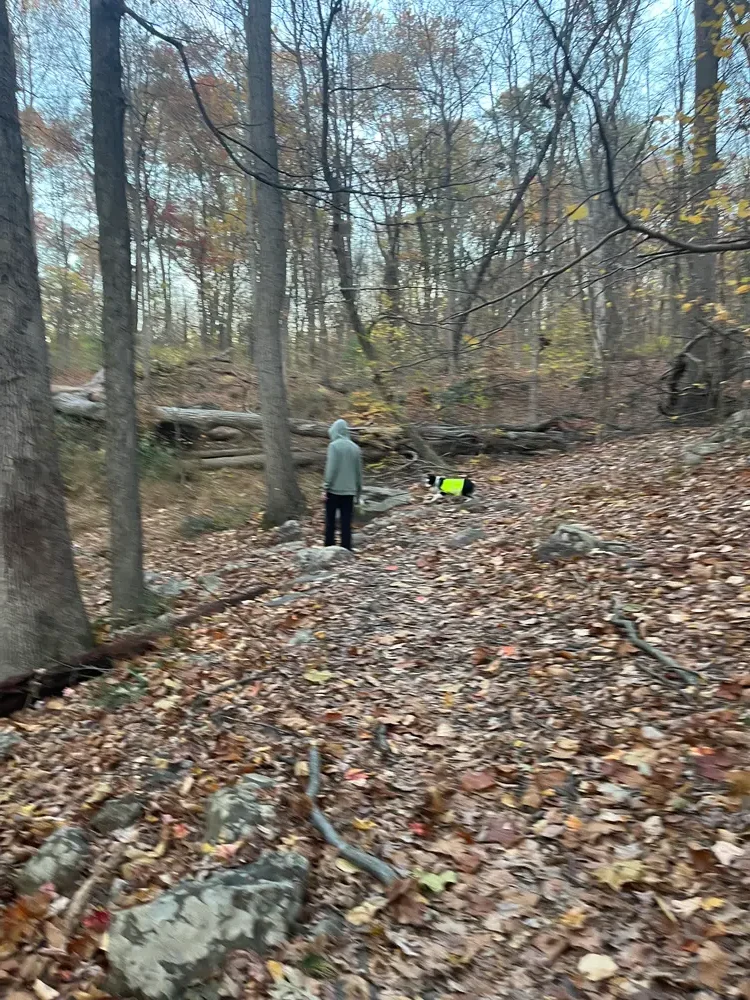
This fall, my son and I started a weekly hike in the woods with Milo. As we make our way through the trails, quiet moments give way to sharing our worries, ideas, and whatever happens to be on our minds. The smells, sounds, sights, and companionship during these nature walks help me feel more relaxed, connected, and ready to ease back into daily life.
Chi's List
The first time I listened to Andrea Gibson’s spoken-word poetry, I was in college. Their words set my heart on fire with goose bumps, tenderness, sweetness, achiness, and all. When Andrea died in July from cancer at the age of 49, my heart broke open again. This time, I held on tighter to their words.
“There is poetry in the noticing. In allowing your mouth to hang open in the presence of everyday magic.”
“It’s turning the thunder into grace,
knowing sometimes the break in your heart
is like the hole in the flute.
Sometimes it’s the place
where the music comes through.”
“I know most people try hard
to do good and find out too late
they should have tried softer.”
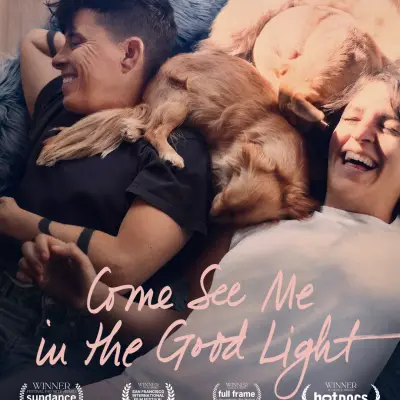
If you are looking for a film that allows you to experience all the emotions life has to offer and inspires you to notice life’s every rhythm, ebb, and flow – take out a tissue box and watch “Come See Me in the Good Light,” which chronicles the final year of Andrea’s life with their wife, poet Megan Falley. Allow this documentary to transform you.
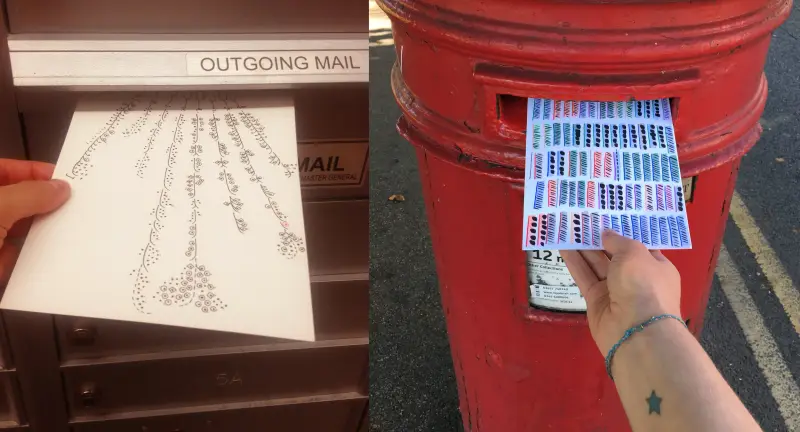
I returned to Dear Data, a year-long hand-drawn data project by Giorgia Lupi and Stefanie Posavec, for inspiration while redesigning the Einhorn Collaborative’s website. These beautifully illustrated postcards containing personal data about Giorgia and Stefanie’s lives reminded me to be more intentional and analog in my creative process and appreciate the slowness that comes with noticing, collecting, and interpreting.
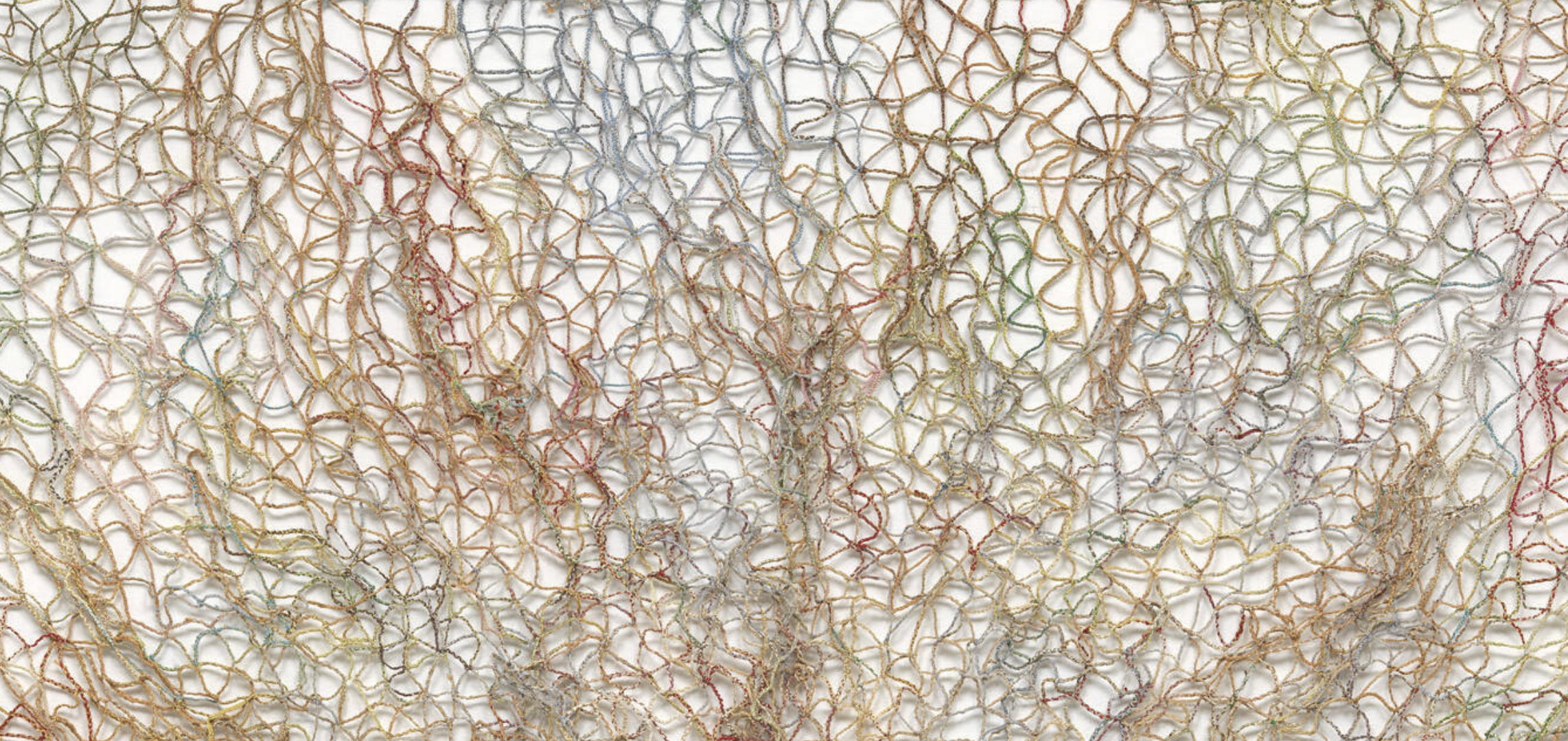
This exhibition was awe-inspiring and transporting. Not only did I get to experience beautiful pieces woven by master weavers whom I have long admired, but I also got to connect with Cynthia Alberto, founder of Weaving Hand, who was teaching the craft to many museum visitors through the Family Art Workshop and Creativity Lab. Cynthia taught me backstrap weaving a decade ago and gave me my first backstrap loom. Our conversation about who and where we are as a society reminded me of a quote from Jeffrey Gibson, whose work was also in the exhibition: “We are all the living ends of very, very long threads.”
Christine's List

Dear New York is an immersive art installation that transformed Grand Central Terminal into a beautiful story of humanity and connection. Visiting Dear New York left me more inspired than I expected. The exhibition felt like a living portrait of the city — one created not by its skyline, but by the people who give New York its pulse. What moved me most was seeing the stories of more than 600 schoolchildren, each choosing a hero in their own lives and explaining why that person mattered. Their words were honest, funny, sometimes heartbreaking, and always profoundly human. Together, they formed a mosaic of gratitude and resilience that reminded me how many unseen acts of heroism shape this city every day. The absence of advertising in Grand Central made the exhibition’s message even more powerful: that the real heart of New York is its people.
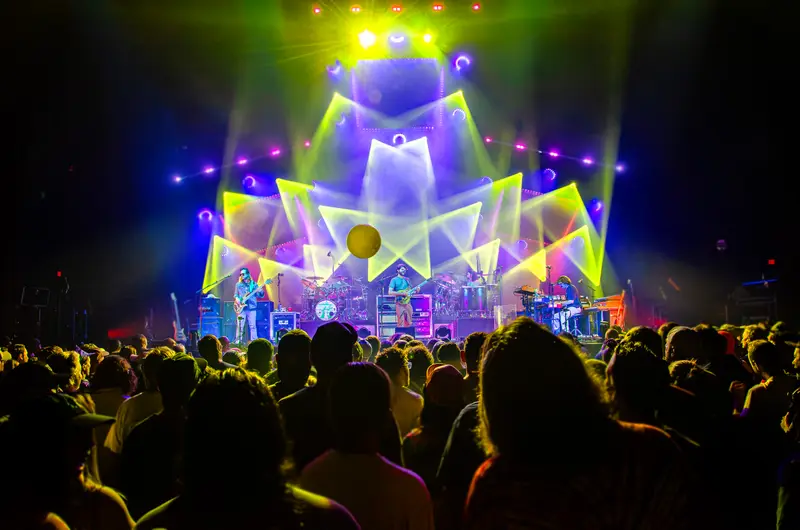
Volunteering at a Goose Concert
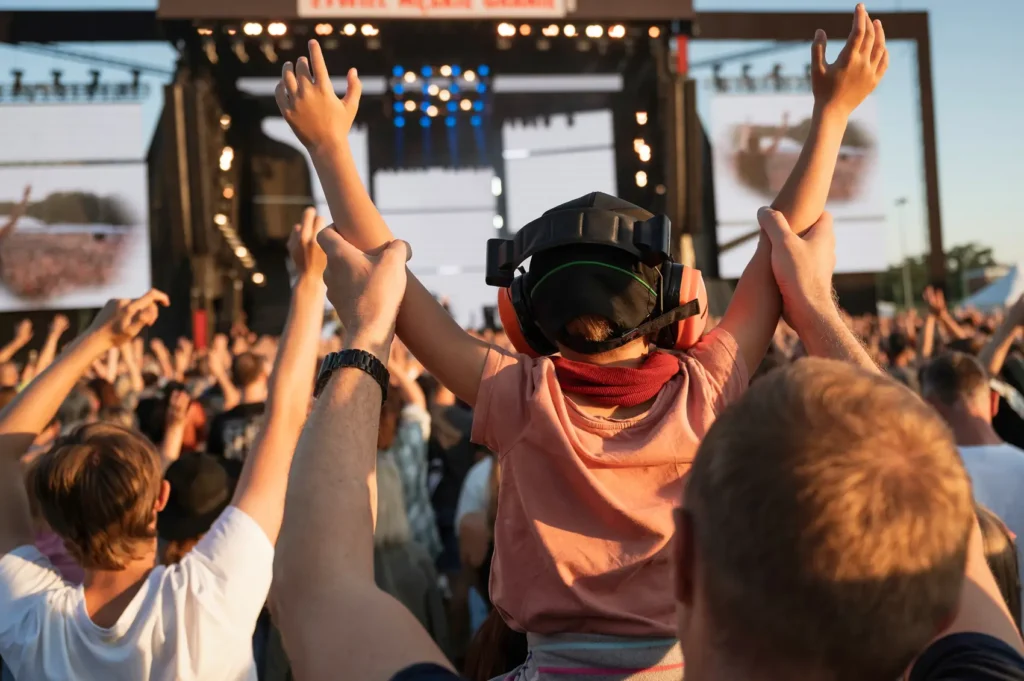
Volunteering with the Western Sun Foundation during Goose’s first-ever headlining show at Madison Square Garden was one of those rare experiences that stayed with me long after the lights came up. Through volunteering events like the one in which I participated, Western Sun Foundation is able to give grants to nonprofits in the communities that Goose (one of my favorite jam bands) and their fans travel through. This effort radiates the kind of purpose and heart that feels woven into the band’s ethos, especially when you see the volunteers and fans rallying around the cause with such genuine care. Being part of their work, even for a night, made me feel connected to something bigger — something rooted in generosity, creativity, and the belief that music can be a force for real change. It was an honor to support them.
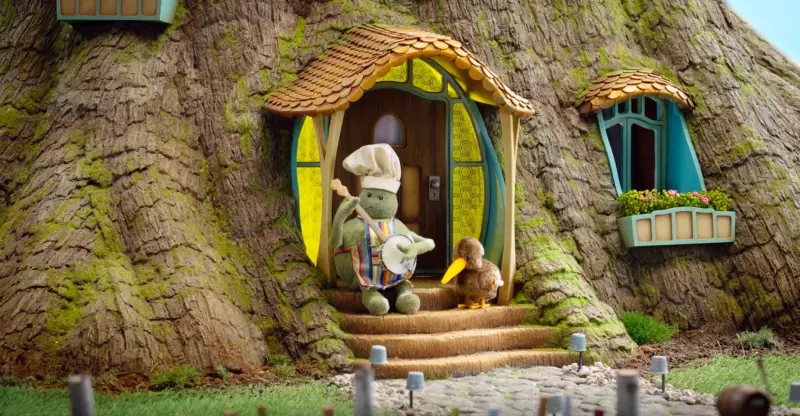
I don’t think I’ve ever fallen in love with a character the way I have with Tiny Chef. Every episode feels like opening a tiny window into pure creativity and kindness. His delicate movements, the care put into every set piece, the way his emotions flicker across that little felt face — it all feels so real, so human, so deeply genuine.
But the moment that truly carved itself into my heart was when Nickelodeon called to tell him that his Emmy award–winning show wouldn’t be renewed. Watching him pick up the phone with that hopeful energy, then trying so bravely to go about his routine afterward, was devastating. It felt like watching a friend’s heart break right in front of you. The cancellation made national headlines, and the way that fans rallied around him so fiercely says everything. Even Dionne Warwick stepped in, rightfully outraged on his behalf. Tiny Chef reminds us that earnestness is powerful, that creativity still has room to flourish, and that compassion is something we never grow out of. I think the world is a softer, kinder place with Cheffy in it.
Ira's List
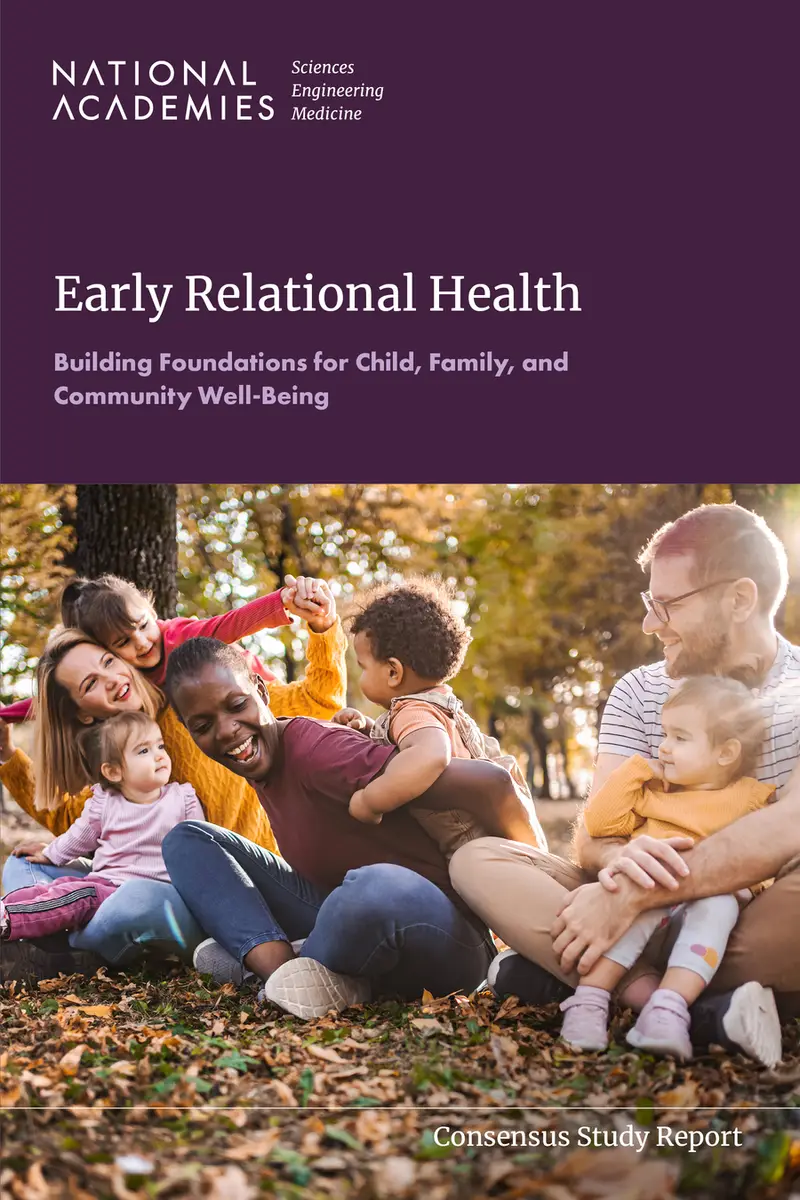
This report from the National Academies of Sciences, Engineering, and Medicine shares ideas for helping young children and their families build strong, positive, and nurturing relationships. It encourages using families’ strengths, supporting leaders in families and communities, helping the people who work with children, and promoting cross-sector collaboration. The report suggests ways that professionals, policymakers, and researchers can work together to create positive connections that help children grow and support families’ well-being. If you care about child development, parent mental health, social connection – or the future of our society – this report summarizes the state of research and outlines key opportunities for innovation and change. And, for those already energized around Early Relational Health, the 3-page summary is a terrific tool to share with others to introduce the topic.
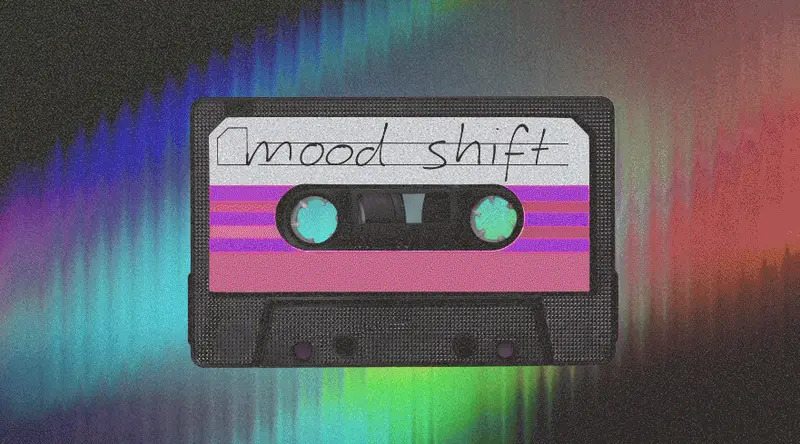
Hearing one of my favorite show tunes never fails to get me emotional, much like my first experience watching the musical on stage. Yes, I’m a bit of a sap, but the science backs me up! “Emotion is like the glue that holds the sensory information and the lesson learned together, so when that same sensory input floods our system next time, we know what to do,” wrote the author. “This is why the memories we form are stronger and reverberate in our awareness longer when they have an emotional tinge, often due to sensory experience.”
This science also informs our work in Early Relational Health. When parents pair emotional expression with sensory stimulation like eye contact, soothing voice, smell stimulation, babies relate the parent’s voice, smell, and other attributes with the memory of being calmed. Inversely, the parent also connects the presence of the baby with their own sense of calm, creating a virtuous cycle of mutual calming and connection. I also bet that a 1980s power ballad can become a soothing lullaby, or at least a moment of emotional connection!
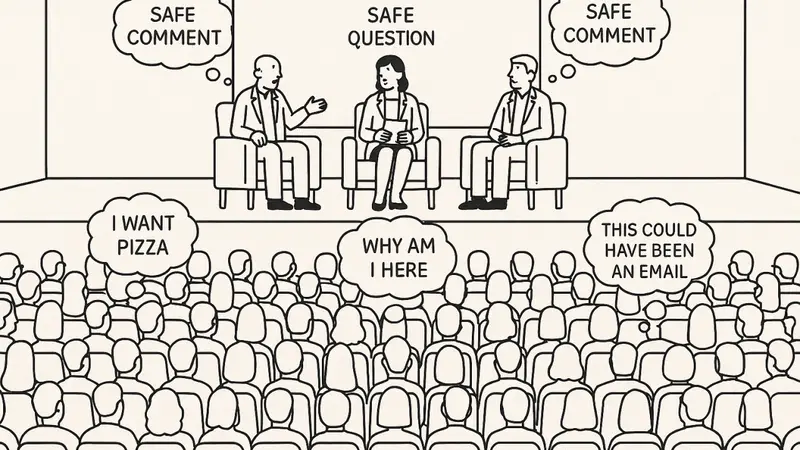
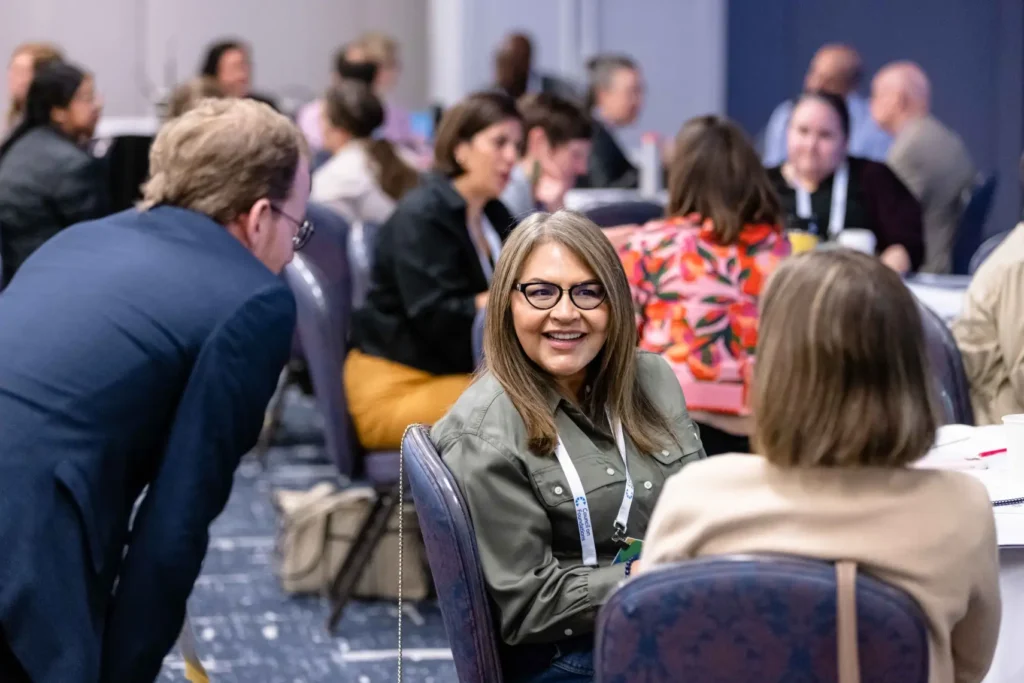
Preach! This LinkedIn post reinforced all my Priya Parker mantras about “The Art of Gathering.” I was so pleased to see this approach put into action at the 2025 National Summit: Strengthening Connections Among Health Care, Families, and Communities to Improve Support for Positive Early Relationships. Co-sponsored by Nurture Connection and Reach Out and Read, in partnership with the American Academy of Pediatrics (AAP), the summit was a landmark opportunity for pediatricians, researchers, policymakers, funders, systems leaders, and parent leaders from 23 communities across 18 states to connect and reflect together on the work ahead. I am excited to transform future meetings from a parade of panels to a collection of convenings.
Jon's List
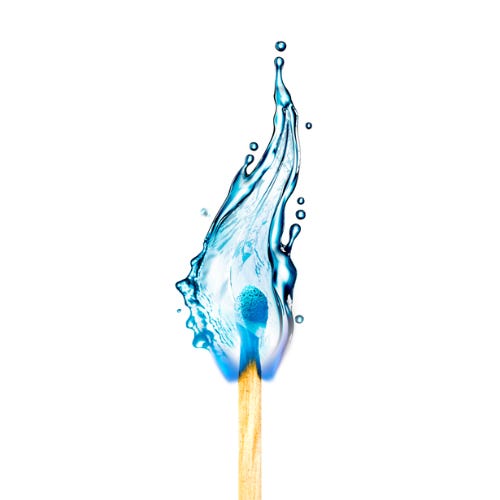
A lot of the discussion about AI companions is about what we receive from them, which could be summed up as sycophancy. They tell us what we want to hear and offer frictionless validation. Real human relationships, of course, are more complicated. In this piece, Adam Grant adds an insightful point that often gets overlooked: AI companions do not require us to give anything in return. The interactions are one-sided. This article is an important reminder as we contend with the growing impact of AI companions and ensure that they do not replace the reciprocal bonds and the feeling of mattering that are hallmarks of healthy, real-world relationships.
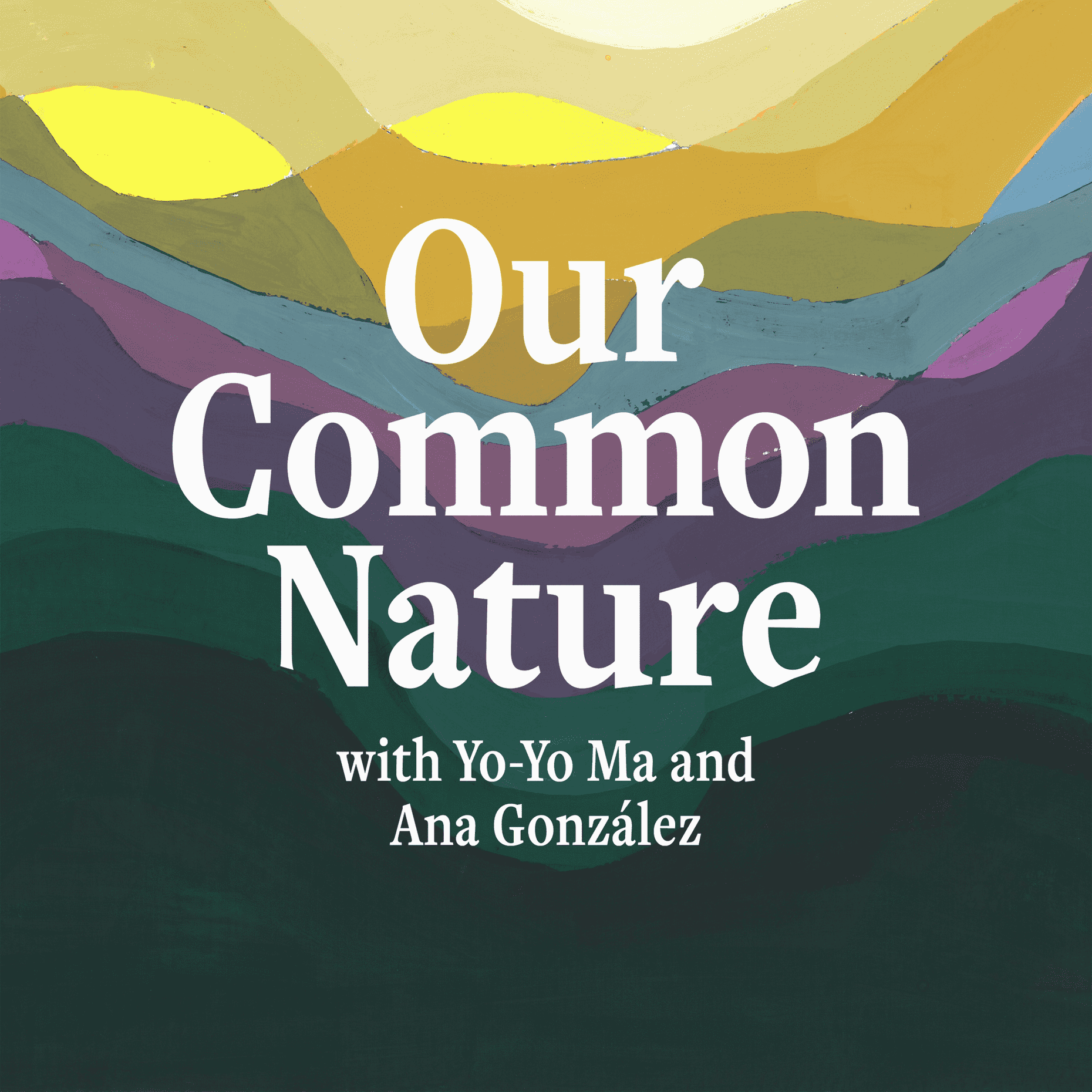
I have been a fan and admirer of the cellist Yo-Yo Ma since my childhood (the cello was the first instrument I played in elementary school!). Ma is not just a virtuoso musician but also a deep thinker and creative practitioner about the power of music to move us and connect us. That includes how music can bring out our appreciation of the natural world. In this podcast series, Ma and Ana González go to different corners of the country and collaborate with musicians in nature like Acadia National Park in Maine and Mammoth Cave in Kentucky.
The podcast brings out poignant stories from these places while also bringing the beauty of music to them. As our friends at Greater Good Science have elevated, both music and nature can evoke a feeling of awe, which also helps strengthen our sense of connection to each other.

Earlier in my career, I worked in management consulting, starting out at a small firm called Katzenbach Partners that focused on the interplay of organization, culture, and strategy. I was lucky to work with co-founder Jon Katzenbach, who passed away this year at 93. In this brief tribute to “Katz”, Niko Canner – whom I still count as a collaborator and friend – vividly distills what made Katz special and what set his ideas apart, a focus on what Niko calls “work’s human core.”
In my work at Einhorn Collaborative, I have found myself drawing on Katz’s ideas about the power of pride as a motivator, the role of informal norms and networks, and how trust propels great teams. His thinking has infused my own about the “what” of our work (advancing social connection and social cohesion) as well as the “how” (working in close partnership with peer funders, grantees, and field leaders). Katz’s wisdom about work’s human core has also served as a compass for me in my own career journey, for which I’ll forever be grateful.
Shawn's List
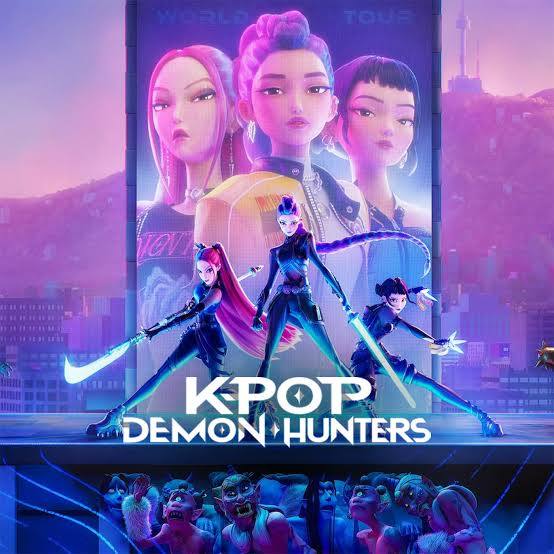
I try to avoid trends, so when “KPop Demon Hunters” appeared, I ignored it — until Jenn insisted that it was relevant to our work. **SPOILER ALERT** The movie is about three K-pop stars who double as demon hunters, dedicated to protecting humanity from soul-consuming demons. Rumi, the main character, hides a painful secret that makes her feel ashamed and eventually hinders her ability to help her friends and save the world. Rumi learns to let go of her shame when she begins to accept herself and allows her community to see her fully. It’s fun, catchy, and honestly, one of those movies I wish I’d had growing up.
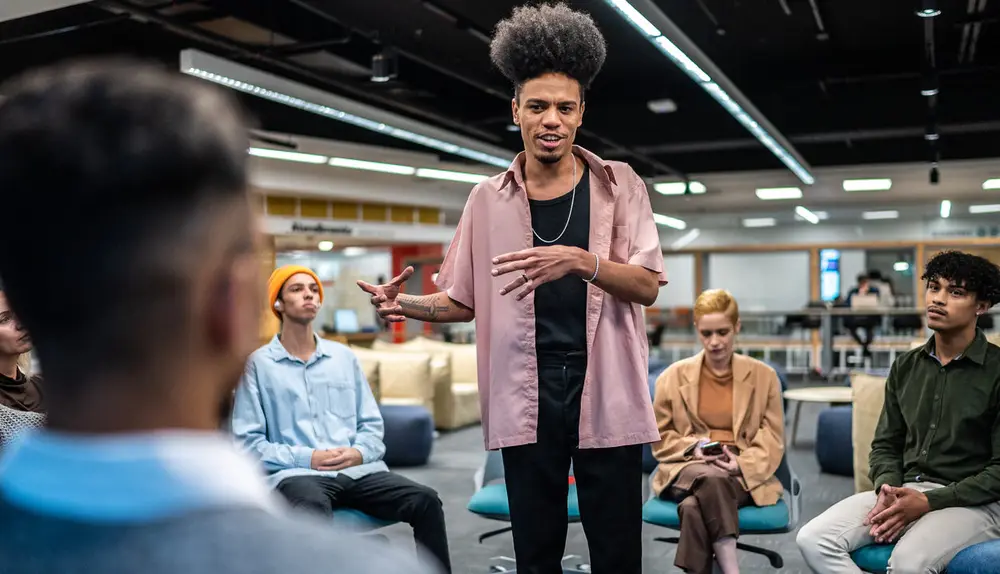
Understanding Affective Polarization Among Young People
Our partners at the Institute for Citizens and Scholars and the Civic Education Research Lab at Georgetown University co-hosted a gathering earlier this year called “Assessing Affective Polarization Among Young People.” Much of what we understand about affective polarization is based on research into adults, which means we have often overlooked important insights about how it impacts young people. The event highlighted early research that could offer a more detailed and nuanced understanding of youth experiences. It was inspiring to see the field beginning to bridge this gap and to imagine how these new insights might shape our efforts in the future.
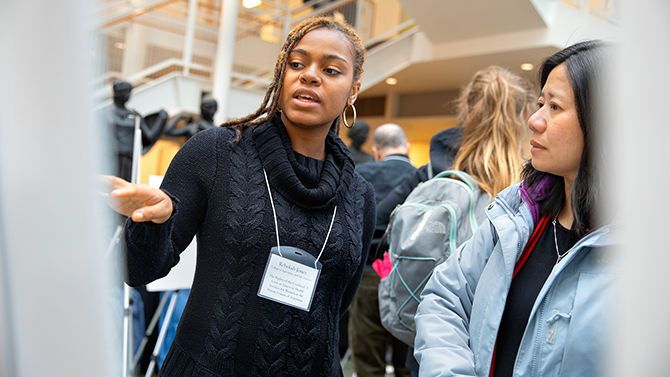
Direct community engagement has always inspired me because it bridges the gap between classroom learning and real-world challenges faced by everyday people. In college, I took a government course called “Citizenship,” where we explored questions like: What does it mean to be a good citizen? What rights, responsibilities, and obligations do citizens have? Outside the classroom, we volunteered with recently resettled refugee families — an experience that helped me to connect theories and frameworks to real people’s lives. That memory came rushing back this year when I learned that, more than a decade after Einhorn Collaborative partnered with Cornell University to ensure every undergraduate has a high-quality community-engaged learning experience, the class of 2029 is on track to achieve that goal. Seeing this milestone reminds me that systems change requires vision, partnership, and time, and it reaffirms why these experiences matter so deeply. If you want to learn more about what community-engaged learning looks like at Cornell, check out the Einhorn Center’s video series, highlighting how this type of learning links students, faculty, and communities to create a meaningful impact.