
In 1921, Cornelius Vanderbilt Jr. and his wife, Rachel Littleton set out on a 19-week road trip across the United States after their extravagant, 3,000-person wedding. Writing about it afterward in Motor magazine, Vanderbilt said that they met “every type of person in the world,” including those they would otherwise never have encountered. He predicted that the automobile would let more Americans see the country and connect with people who call the United States home.
I’ve been chasing that possibility my whole adult life. My journey started with reading Kerouac’s On the Road and Krakauer’s Into the Wild, and in 2011, fresh out of college with $150 to my name, I took my first road trip through 11 states that I’d never seen.
A year later, I learned that road trips could be vehicles for social change. In 2001, three directionless college grads bought a lime-green RV and interviewed people who loved their jobs, which became the PBS series Roadtrip Nation. In 2019, I pulled the back seats out of my lime-green Prius, installed a bed, and spent 12 months meeting people who were navigating political and social divides. I came home convinced that most people want an inclusive country where everyone belongs. This journey also became the narrative thread in my 2023 book Seek.
Who are the people inspiring a culture of belonging and building a country that’s truly better for all, and how could I share those stories?
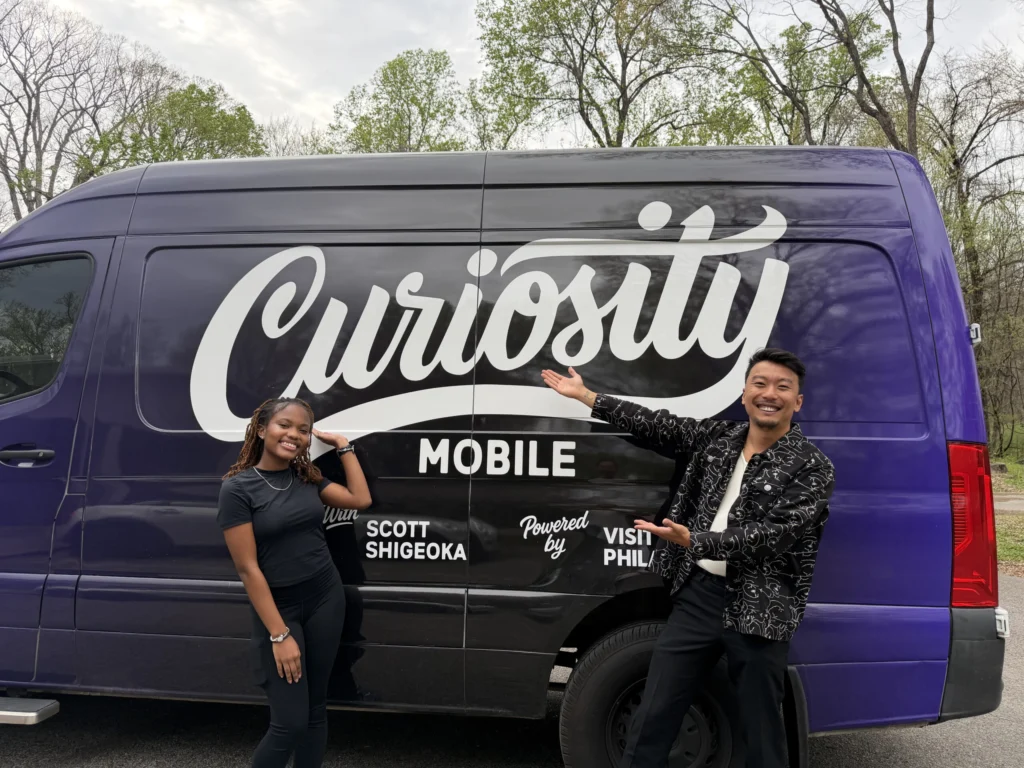
Besides fewer seats in my vehicle, there was something else missing from my 2019 road trip. My roots were in journalism school and writing at The Washington Post, but I’d come to believe that the change I wanted to make in the world would require me to shift from journalist to storyteller — to not just be an observer that reports on what’s wrong in our country, but to intentionally construct a new narrative on what could be. So, in 2026, in a vinyl-wrapped purple van with the word CURIOSITY on the side, I set out with a question: Who are the people inspiring a culture of belonging and building a country that’s truly better for all, and how could I share those stories?
I wanted to focus on unsung everyday heroes: people working in libraries, as nurses, on farms, with schools, and as lesser-known community organizers who deserve to be recognized. I wanted to share meals with them, visit their homes, learn from them, and build real connections.
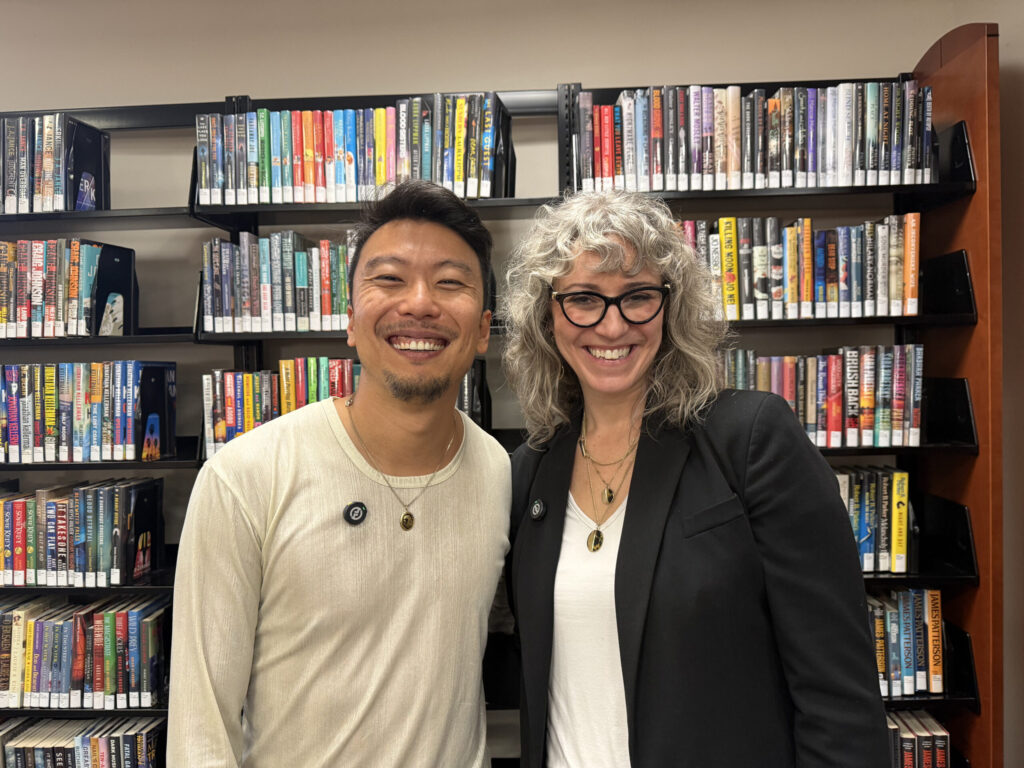
In Texas, I met Audrey, a librarian who believes we all have the right to read and that our democracy depends on the free and open exchange of ideas. When book ban legislation came for her library, she contested it, which led to threats against her work and life. She showed me challenged titles from Matt Krause’s Book Ban List — a compilation of more than 800 books targeted for banning — which included books like Isabel Wilkerson’s Caste and Ta-Nehisi Coates’ Between the World and Me. Since 2021, there have been over 22,000 instances of book bans across 45 states and 451 public school districts, and librarians like Audrey have been at the heart of challenging them. Her story was also told in the film The Librarians, which received a Primetime Emmy this year.
In North Carolina, I met Amy, Adrienne, and Ponkho, three roommates leading BeLoved Asheville in the aftermath of Hurricane Helene. They found temporary shelter for displaced neighbors, provided food and water, and gave direct cash to people during the rebuild. Their guiding frame was that relationships matter and we ought to show up for each other. They saw these values show up every day: someone setting up a BBQ smoker to feed people, a farmer installing reverse-osmosis water systems so schools could reopen, and volunteers who helped rebuild over 100 homes.
In West Virginia, I met Steven, who comes from a family of coal miners and ran into trouble when he was younger. Coalfield Development helped him get back on his feet, take classes, and find work. Now he leads Highwall, an abandoned strip mine that he and his team transformed into a regenerative farm. He walked me through the land with his dogs and children in tow: new trees and grass taking root, soil being nurtured back to life, produce growing for the community, animals rotationally grazing across once-scarred earth.
The individuals I met on the road hold diverse identities, backgrounds, and political beliefs, but they share a deep curiosity about how they can make a difference in their communities — and the courage to actually take action. What surprised me most was how I found them. They agreed to meet with me and be filmed because a mutual connection had vouched for me: a friend, a nonprofit leader, a longtime organizer who had lived through the hurricane herself. I set out looking for people building belonging, and it turned out that the only way to reach them was through the belonging I’ve built in my own life.
The ones who stayed with me weren’t changing the world. They were changing their corner of it, and they were inviting me in.
Things didn’t always go as planned. Early on, I bought a school bus from a friend-of-a-friend, only to have multiple diesel mechanics tell me it wasn’t reliable enough for the long drive; I lost thousands of dollars before pivoting to the van. Several interviews fell through when people had last-minute conflicts or emergencies on the day of filming. And when I came home, I developed acute nerve pain in the left side of my neck, shoulder, and arm, likely from driving thousands of miles and lugging film production equipment. I was reminded that to continue to do meaningful work, we must take care of our health, too.
As my sore body recovered, my reservoir of hope soared. I didn’t forget the problems our country faced, but I was no longer stewing in the negative narratives that the news and social media bombard us with. I was out meeting face-to-face with people who were caring for their communities. Instead of waiting to save these stories for a book that takes years to publish, I told them on the same instantaneous social media feeds that so often divide us. I’m told by viewers that the stories I’ve shared online are restoring their reservoirs of hope — and even inspiring them with the courage to act locally.
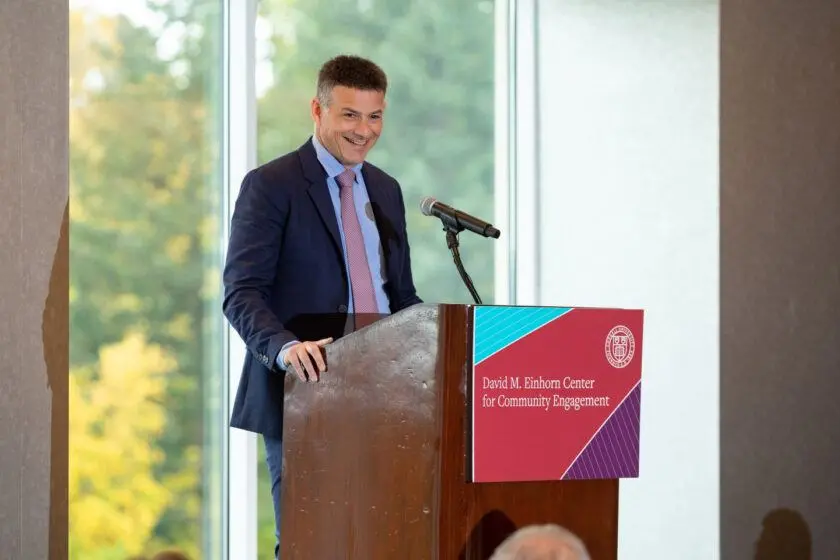
Captured on video for the Curiosity Mobile campaign, the stories reached more than a million viewers on Instagram, TikTok, YouTube, and LinkedIn even though I didn’t have a major following. With support from Einhorn Collaborative, we are now re-editing hours of footage into new formats and are pitching the content as a TV show, just like Roadtrip Nation.